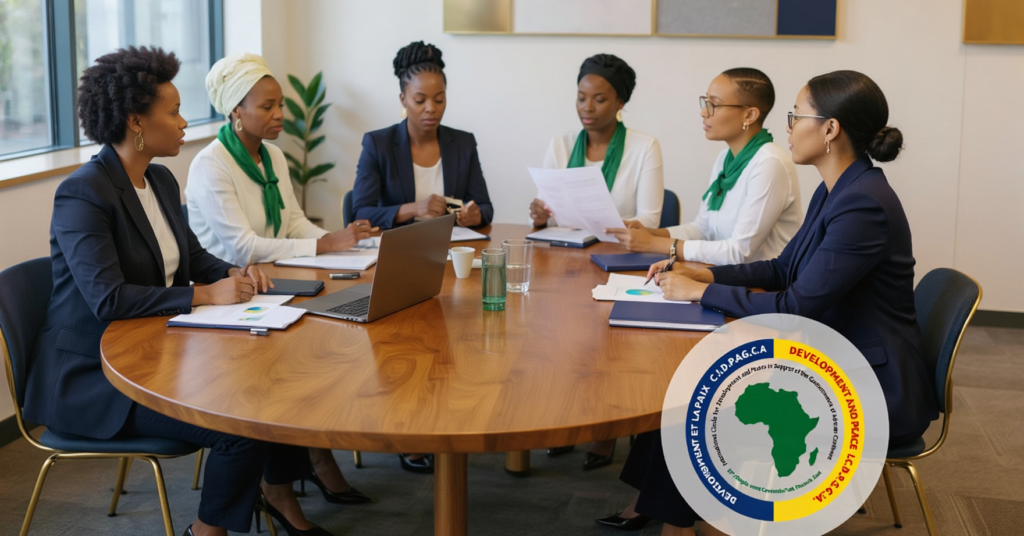
Twenty-five years after United Nations Security Council Resolution 1325, women remain underrepresented in formal peace processes. Meaningful inclusion requires influence, direct resources, protection and a clear route from community knowledge to national decisions.
At a Glance
- In 2024, women made up only 7 per cent of negotiators and 14 per cent of mediators, and nine out of ten peace processes had no women negotiators.
- A seat at the table is not enough if women cannot shape the agenda, access information, remain safe or influence implementation.
- Local women-led organisations need direct, flexible funding and formal routes into mediation, monitoring and recovery decisions.
A promise still waiting for implementation
The United Nations Security Council adopted Resolution 1325 on Women, Peace and Security on 31 October 2000. The resolution recognised women’s roles in conflict prevention and peacebuilding and called for their increased representation in decision-making, protection during conflict and participation in recovery. [1] Its twenty-fifth anniversary in 2025 was therefore a test of implementation, not simply an occasion for commemoration.
The gap remains stark. UN Women’s summary of the Secretary-General’s 2025 report showed that, in 2024, women accounted for only 7 per cent of negotiators and 14 per cent of mediators. Nine out of ten peace processes had no women negotiators. [3] These figures describe formal processes. They do not capture all the mediation, early warning, humanitarian response and reconciliation work carried out by women in communities, but they show how rarely that work converts into formal authority
Why inclusion matters, and what the evidence can support
The frequently cited finding that peace agreements involving women are 35 per cent more likely to last at least fifteen years comes from research reviewed in the 2015 Global Study on Resolution 1325. [2] It is best treated as evidence of a strong association, not proof that adding one woman mechanically causes durable peace. The pathway matters: women’s civil-society participation can broaden the issues addressed, strengthen public legitimacy and connect formal negotiators with communities responsible for implementing an agreement.
Meaningful participation is therefore different from presence. A woman who attends without timely documents, speaking rights, security, technical support or access to decision-makers may be visible but powerless. A strong process asks who helped set the agenda, whose proposals entered the text, who monitors implementation and whether participants can report back to the communities they represent.

A practitioner voice: what direct support can change
The Women’s Peace and Humanitarian Fund offers a documented example of how direct support can reach local organisations. Its 2025 annual report states that the fund supported 489 new women’s organisations and 456 women human-rights defenders across 30 countries through 334 grants. Since 2016, it reports supporting more than 1,870 organisations through 1,283 grants. [4] These are the fund’s own reported results, but the public report supplies a traceable source, scale and period.
Auma Concy Dianah, a young peacebuilder in South Sudan supported through the fund’s Rapid Response Window, described the practical change simply: “Our project with WPHF came at the right time to recognize the voices and agency of young people, especially young women, in peacebuilding.”[5] Her comment points to two design choices that matter: support must arrive while a process is open, and it must help participants exercise agency rather than merely attend an event.
The barriers are operational
Access to formal processes
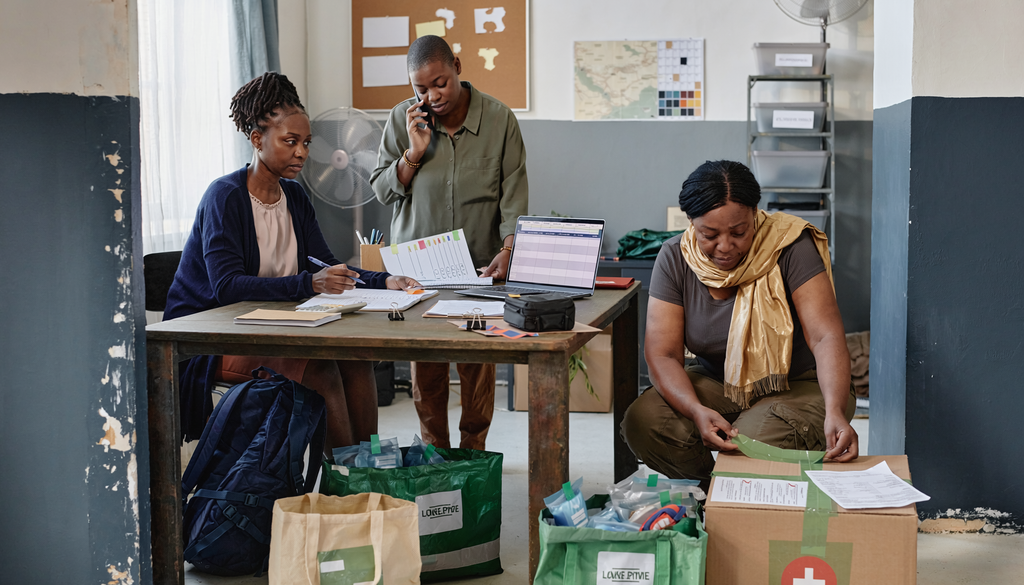
Invitations, accreditation rules, travel costs, care responsibilities and security restrictions determine who can enter a process. The Secretary-General’s Common Pledge on Women’s Participation in Peace Processes was launched in 2024 to encourage mediators, states and organisations to take concrete steps such as appointing women mediators, consulting women leaders throughout negotiations and embedding gender expertise. [6] The test is whether those commitments become standard operating procedure.
Funding and organisational survival
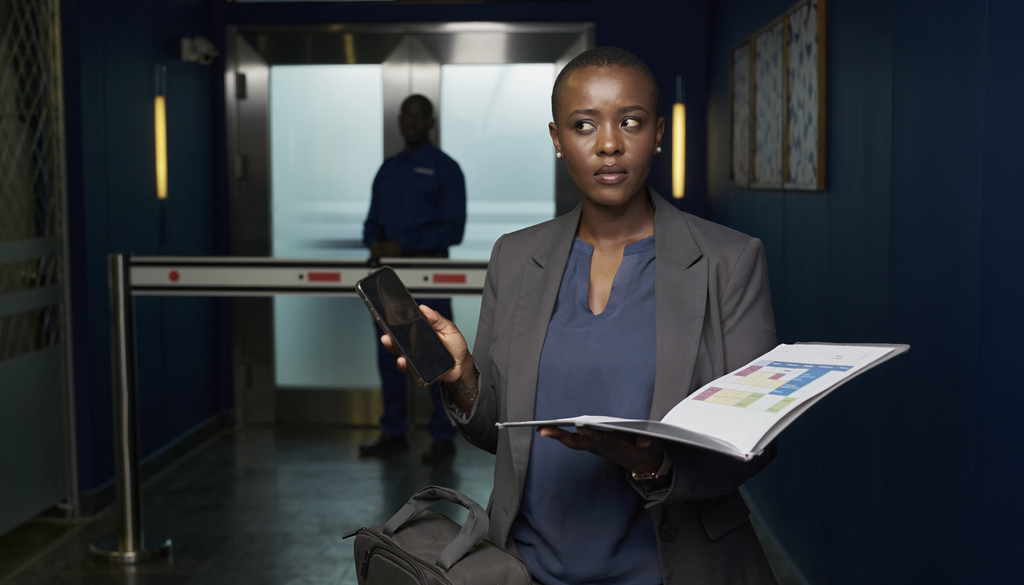
Short grants tied to a single event cannot sustain local mediation networks or protect staff through a prolonged crisis. Flexible, multi-year finance gives organisations room to retain trusted people, adapt activities and respond when a political opening appears. Funding should cover safeguarding, digital and physical security, monitoring and organisational systems, not only visible workshops.
Protection without silencing
Women peacebuilders can face threats, online abuse, surveillance, reputational attacks and retaliation. Protection measures should be designed with the person concerned. Publicity can increase influence in one setting and danger in another. Organisations must obtain informed consent for names, images and stories, minimise identifying details where needed and avoid presenting exposure as empowerment.
An action agenda for peacebuilding organisations
1. Define meaningful participation before the meeting
Set transparent selection criteria, speaking rights, access to documents, feedback routes and decision points. Track influence on agendas and agreements, not attendance alone.
2. Fund local organisations directly and flexibly
Reduce application burdens, provide reasonable core costs and allow adaptation when the security or political context changes. Pair accountability with funding terms that small organisations can realistically manage.
3. Connect local knowledge to national structures
Create formal referral and consultation routes between community mediators, local authorities, national peace institutions and negotiating teams. Close the loop by reporting how community proposals were used or why they were not adopted.
4. Build protection and wellbeing into programme design
Budget for risk assessment, secure communication, psychosocial support and emergency response. Do not ask women to accept avoidable danger as the price of participation.
5. Publish honest learning
Report what changed, what did not and what the organisation learned. Use programme names, places, dates, activities, reach and evidence. Obtain documented consent before identifying participants. Institutional milestones should not be presented as community impact without that programme-level record.
What this means for CIDPAGCA
CIDPAGCA reports that it has established a Pan-African representation network with national executive structures, held its First General Assembly in Centurion, South Africa, and undertaken diplomatic and resource-mobilisation engagements. These institutional steps can support future peacebuilding work, but they are not evidence that women already influence the organisation’s decisions or that a community programme has produced an outcome.

The next practical step is to apply the same standard internally: document the gender composition and decision rights within national structures; create safe channels for women peacebuilders to shape priorities; adopt consent and safeguarding procedures; and record programme results, setbacks and learning. This would turn an institutional network into an accountable route through which community knowledge can influence policy and action.
Takeaway
The case for women’s participation rests on rights and on the quality of peace processes. Twenty-five years after Resolution 1325, the formal representation gap remains severe. Closing it requires more than invitations or anniversary statements. Women need influence over agendas, direct resources, protection and a role in implementation. Peacebuilding organisations should be judged by whether their structures make that influence possible and whether their evidence shows what changed.
Sources
- United Nations Security Council, Resolution 1325 on Women, Peace and Security. 31 October 2000.
- UN Women, Preventing Conflict, Transforming Justice, Securing the Peace: A Global Study on Resolution 1325. 2015.
- UN Women, Wars on women escalate as global conflicts reach record highs. 20 October 2025; summary of the Secretary-General’s 2025 report.
- Women’s Peace and Humanitarian Fund, Annual Report 2025. Programme results.
- Women’s Peace and Humanitarian Fund, Auma Concy Dianah practitioner profile. Named voice from the Rapid Response Window in South Sudan.
- United Nations, Secretary-General’s Common Pledge on Women’s Participation in Peace Processes. Launch and commitments, 2024.
- CIDPAGCA. Organisation-supplied account of its Pan-African representation network, First General Assembly and diplomatic/resource-mobilisation engagements. Supplied 8 September 2026; publication remains subject to internal documentary confirmation and sign-off.
Pingback: Strengthening Governance to Prevent Conflict: Lessons from Emerging Democracies – cidpagca-gh.org